Dental Fillings


When a tooth has been weakened by decay or a small fracture, composite (tooth-colored) fillings offer a conservative way to rebuild form and function. Made from a durable resin material that is shade-matched to your enamel, these restorations are designed to look like a natural part of the tooth rather than an obvious repair. For many patients, the primary benefit is a restoration that is both discreet and structurally supportive.
Composite bonding works by adhering directly to the remaining tooth structure, which often allows us to remove less healthy tissue during preparation. That means the repaired tooth retains more of its original strength and shape. Because of this strong bond and the adaptability of the material, composite fillings are an excellent option for front teeth and visible areas where aesthetics matter, as well as for many back teeth where chewing forces are a factor.
Our team emphasizes predictable, long-lasting repairs and clear communication about your options. At A-List Dental, we’ll assess the extent of damage, discuss whether a composite filling is the best choice, and explain how the procedure supports both the appearance and the function of your smile.
Tooth-colored restorations have advantages that go beyond blending into your smile. Because composite material chemically bonds to tooth enamel and dentin, it can help reinforce a weakened tooth and create a tight seal that resists bacterial infiltration. This bonded approach reduces the likelihood of microleakage and can prolong the life of the restoration when paired with good home care and regular dental exams.
Another practical benefit is conservation: less healthy tooth structure typically needs removal compared with some traditional restorations. Preserving more of your natural tooth is often better for long-term oral health and can make future restorative options simpler, should they be needed. The absence of metal also eliminates visible margins and reduces the chance of temperature sensitivity associated with metallic restorations.
Composite materials have improved substantially in strength and wear resistance, making them suitable for many cavity sizes. While every situation is unique, many patients appreciate that a modern composite filling brings together durability, biocompatibility, and a natural look in a single, minimally invasive treatment.

Your appointment typically begins with a focused exam and, if needed, X-rays to evaluate the extent of decay and confirm that a filling is the appropriate solution. Local anesthesia is used to numb the area so that the treatment is comfortable; most fillings are completed in a single visit. We take care to explain each step before we begin so you know what to expect and can relax during the procedure.
Once the decayed material is removed, the tooth is prepared for bonding. Composite resin is matched to your tooth shade, then applied in thin layers. Each layer is sculpted to recreate the tooth’s natural contours and cured with a special light to harden the material. This incremental approach produces a strong, well-adapted restoration that supports normal biting and chewing.
We prioritize patient comfort throughout the process and offer additional options for anxiety management when appropriate. If you feel nervous about dental work, ask about sedation dentistry options so we can tailor the visit to your needs and help make the experience as calm and straightforward as possible.
A successful restoration depends on both material quality and clinical technique. Proper isolation of the tooth, careful layering of composite material, and precise finishing and polishing are all essential to achieving a restoration that feels natural and functions well for years. Attention to the bite relationship—how your teeth come together—helps prevent premature wear and reduces the chance of future adjustments.
It’s normal to notice some short-term sensitivity after a filling as the tooth settles, especially with temperature changes. This often subsides within days to a few weeks. If you experience persistent discomfort, sensitivity when biting, or any concerns with the restoration, contact our team so we can evaluate and make any necessary refinements to improve comfort and performance.
Routine dental visits allow us to monitor restorations and identify early signs of wear or secondary decay. With careful technique at placement and consistent preventive care afterward, composite fillings can provide many years of dependable service while maintaining a pleasing, natural appearance. A-List Dental is committed to using contemporary materials and methods that support long-term oral health.
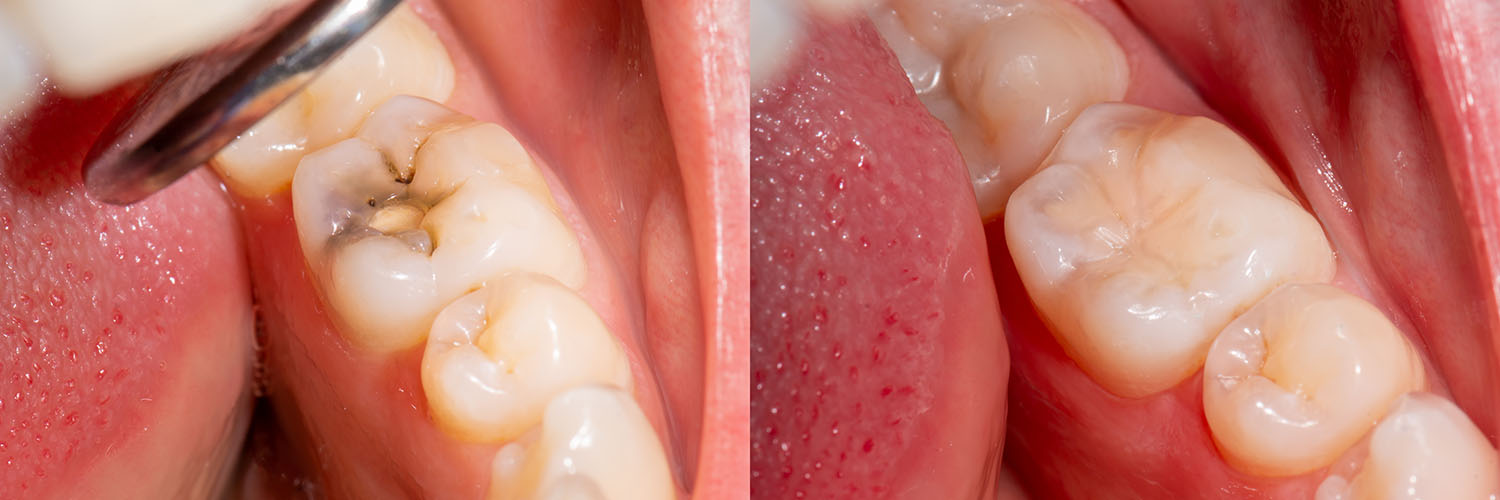
Following your appointment, take a few simple precautions while the local anesthetic wears off: avoid chewing until full sensation returns to prevent accidentally biting your lip or tongue. For the first 24 hours it’s wise to chew on the opposite side if the filling is in a posterior tooth, and to avoid very hard or sticky foods until you’re confident in the comfort and stability of the restoration.
Maintain a consistent home care routine—brushing twice daily with a fluoride toothpaste and daily flossing helps reduce the risk of future decay around and between fillings. Regular professional cleanings and examinations give your dentist the opportunity to check margins, detect early wear, and address minor issues before they become larger problems. Preventive care is the most reliable way to extend the life of any restoration.
If you notice any roughness, uneven bite, or sensitivity that lingers beyond a couple of weeks, schedule an evaluation so we can make adjustments. Proper finishing and occlusal polishing at the time of placement typically minimize the need for follow-up, but we’re available to ensure your restoration continues to perform as intended.
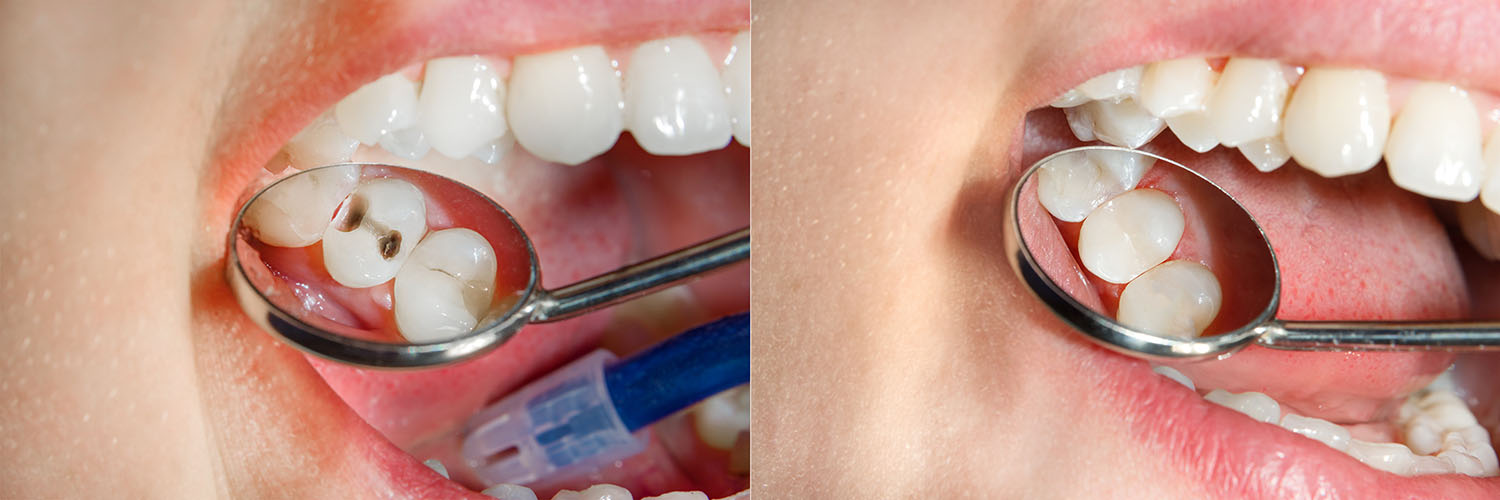
We aim to provide restorations that look natural, feel comfortable, and support lasting oral health. If you have questions about cavity treatment, material choices, or the steps involved in restoring a damaged tooth, our team is ready to help.
Summary: Composite fillings are a versatile, conservative solution for repairing teeth that preserves appearance and function. By combining modern materials with careful technique and straightforward aftercare, patients can expect restorations that integrate with their natural smile. Contact us to learn more about how this treatment may fit into your personalized care plan.
Composite fillings are restorations made from a durable resin material that is color-matched to your natural enamel and placed in layers to rebuild a damaged tooth. The material bonds chemically to enamel and dentin, which helps reinforce the remaining tooth structure and create a tight seal against bacteria. Layers are shaped to recreate the tooth's natural contours and hardened with a special curing light to produce a strong, functional repair.
This bonded approach allows conservative preparation because less healthy tooth structure often needs removal compared with some traditional restorations. Composite resin has improved in strength and wear resistance, making it suitable for many cavity sizes and locations. Your dentist will evaluate the extent of decay and recommend composite when it best supports both appearance and function of the tooth.
Tooth-colored composite fillings are often preferred when aesthetics are important, such as on front teeth or other visible areas of the smile. Because composite blends with surrounding enamel and does not display metal margins, it provides a more natural appearance while maintaining function. The bonding process also helps preserve more of the natural tooth, which can be advantageous for long-term oral health.
Composite can also reduce temperature sensitivity sometimes associated with metal restorations and eliminates visible metal in the mouth. However, clinical considerations like the size and location of the cavity, biting forces, and overall tooth condition influence the best choice of material. Your dentist will discuss material options and the reasoning behind a recommendation based on your specific situation.
A typical filling appointment begins with a focused exam and any necessary X-rays to assess the extent of decay and confirm that a filling is appropriate. Local anesthesia is used to numb the tooth and surrounding tissue so the procedure is comfortable, and the decayed material is removed with precision to preserve healthy structure. The tooth is isolated and prepared for bonding, after which composite resin is applied in thin layers, sculpted to restore natural form, and cured with a light.
Once the material is hardened, the dentist checks and adjusts the bite and then finishes and polishes the surface for smoothness and longevity. Most fillings are completed in a single visit and patients can typically resume normal activities once numbness subsides. If you experience anxiety, discuss sedation options beforehand so the team can tailor the visit to your comfort level.
After a filling, avoid chewing on the treated side until numbness has fully worn off to prevent accidental biting of your lip or tongue. For the first 24 hours, avoid very hard or sticky foods if the filling is in a posterior tooth, and maintain gentle, careful chewing as you become confident in the restoration's comfort. Brushing twice daily with fluoride toothpaste and flossing once daily remain essential to reduce the risk of new decay around the restoration.
Regular professional cleanings and routine checkups allow the dentist to monitor the filling for wear, margin integrity, or any early signs of secondary decay. If you notice roughness, an uneven bite, or sensitivity that persists beyond a couple of weeks, contact the office so the restoration can be evaluated and refined if necessary. Proper oral hygiene and prompt attention to changes help extend the life of the filling.
The longevity of a composite filling depends on material quality, the dentist's technique, and the location and size of the restoration, with many lasting several years to over a decade under ideal conditions. Proper isolation, careful layering, and precise finishing at the time of placement all contribute to a durable restoration that resists fracture and wear. Bite forces, grinding habits, and the extent of remaining tooth structure also impact how long a filling will perform.
Maintaining good oral hygiene, avoiding excessive chewing of very hard items, and attending regular dental checkups help identify early wear and allow for timely maintenance. If a filling shows signs of breakdown, sensitivity, or recurrent decay, the tooth can be evaluated for repair or an alternative restoration. Preventive care and monitoring are key to maximizing the service life of any restoration.
Composite resins used in modern dentistry are biocompatible and have a long history of safe clinical use when placed according to standard protocols. These materials are designed to bond to tooth structure and resist wear, and they do not contain the metallic components found in amalgam restorations. Dentists follow established procedures to minimize exposure to uncured material, and cured restorations are stable and well tolerated by most patients.
If you have specific material sensitivities or medical concerns, discuss them with your dentist so any necessary precautions can be taken. The dental team can review the components of recommended materials and explain the placement process to address questions about safety. In routine practice, composite fillings provide a reliable, tooth-conserving option for many patients.
Yes, composite fillings are versatile and can be used on both anterior (front) and many posterior (back) teeth depending on the size and location of the cavity and the expected chewing forces. Their aesthetic advantage makes them an ideal choice for visible areas where matching tooth color matters, while advances in composite strength have expanded their use for posterior restorations. The dentist evaluates each case to ensure the material will provide adequate durability for the tooth's function.
For very large cavities or teeth that have suffered extensive structural loss, an indirect restoration such as an inlay, onlay, or crown may be a better long-term solution. The decision balances conservation of natural tooth structure with the need for sufficient strength and protection under occlusal load. Your dentist will explain the pros and cons of each option and recommend the treatment aligned with your oral health goals.
Mild short-term sensitivity to temperature or pressure is common after a filling as the tooth responds to the procedure and the new material, and this typically resolves within days to a few weeks. Sensitivity can result from irritation of the nerve during decay removal, thin remaining dentin, or changes in bite that create uneven forces on the restoration. Over time the tooth often adapts and sensitivity diminishes, especially with careful oral hygiene and avoidance of extreme temperatures initially.
You should contact the dental office if sensitivity persists beyond a few weeks, worsens, or is accompanied by sharp pain when biting, swelling, or other concerning symptoms. These signs can indicate a need for a simple adjustment to the filling, evaluation for secondary decay, or assessment for deeper issues like pulpal inflammation. Prompt evaluation helps resolve problems early and protects the long-term health of the tooth.
After placing and curing a composite filling, the dentist checks your bite by having you gently close and bite on articulating paper so high spots can be identified and adjusted. Precise occlusal shaping and polishing are essential to distribute biting forces evenly and prevent premature wear or discomfort. The clinician makes incremental adjustments and asks you to test chewing to confirm the restoration feels comfortable and natural.
Proper finishing also reduces plaque retention and contributes to the restoration's longevity, so contouring and polishing are performed carefully. If you notice an uneven bite or discomfort after leaving the office, follow up promptly so the team can make any necessary refinements. Routine follow-up visits provide opportunities to reassess occlusion and address subtle changes over time.
Determining whether a tooth needs a filling or a more extensive restoration depends on the amount of remaining healthy tooth structure, the size and depth of decay, and whether the tooth has existing large restorations or fractures. Small to moderate cavities confined to a limited portion of the tooth are often well treated with composite fillings that conserve structure. When decay or damage compromises a significant portion of the tooth, a crown or onlay may be recommended to restore strength and protect the tooth long term.
Your dentist will use a clinical exam and diagnostic imaging to assess the tooth and discuss the advantages and limitations of each option, including how each choice affects future treatment possibilities. At A-List Dental in Las Vegas, the team aims to recommend the least invasive solution that provides lasting function, and they will explain why a particular restoration is advised for your situation. Shared decision-making ensures the selected treatment aligns with your oral health needs and goals.
Schedule your visit today and discover how easy, comfortable, and rewarding top-tier dental care can be.
