Dentures


Thanks to ongoing improvements in dental materials, laboratory techniques, and prosthetic design, replacing missing teeth is more predictable and natural-looking than ever. While fixed solutions such as dental implants and bridgework are excellent options for many patients, removable dentures continue to be a reliable and adaptable way to restore a complete smile when that’s the best choice for health or lifestyle.
At the office of A-List Dental, we use carefully selected materials and proven fabrication methods to create dentures that look natural, support facial contours, and restore everyday function. Our team focuses on precision and comfort so patients can speak, smile, and eat with confidence.
Every denture is designed around the individual wearing it. We balance aesthetics, bite function, and long-term tissue health when planning a restoration, and we work with patients to choose a solution that matches their goals and daily needs.
Tooth loss changes how your mouth works and how your face is supported. Missing teeth make chewing less efficient, can alter speech patterns, and tend to shift the way bite forces are distributed. Over time these functional changes can make routine eating uncomfortable and lead to further wear or movement of the remaining teeth.
The consequences extend beyond mouth mechanics. Without teeth to keep the jawbone stimulated, bone volume can gradually shrink, which subtly changes facial contours and may create a sunken or older appearance. Restoring teeth with an appropriately designed denture helps recreate the support that preserves facial shape and improves overall confidence.
There are also social and emotional impacts to consider. Gaps in the smile can make people self-conscious and limit normal interactions. Restoring a complete, natural-looking smile often improves quality of life by making everyday activities — from talking to dining with friends — more comfortable and enjoyable.
Dentures are removable prosthetic devices made to replace missing teeth and the tissues that support them. They consist of artificial teeth set into a base that rests on the gums; that base is shaped to follow the contours of the mouth for retention and comfort. Properly made dentures restore chewing function and help maintain the appearance of the lower face.
Because they are removable, dentures allow for easier cleaning of both the appliance and the mouth itself. This can be an advantage for patients who prefer a non-permanent solution or who wish to preserve the remaining natural teeth. Modern denture teeth are crafted to mimic natural color, translucency, and shape, producing results that are both functional and cosmetically pleasing.
Today’s denture options can be tailored to individual needs — from lightweight flexible frameworks to robust implant-retained designs that prioritize stability. The choice between a partial or complete denture depends on how many natural teeth remain, the health of those teeth, and the patient’s long-term oral health goals.

When assessing denture options, we look at how many teeth are missing, the condition of the remaining teeth and gums, and the structure of the jawbone. The two broad categories are full (complete) dentures, which replace an entire arch of teeth, and partial dentures, which fill in where some natural teeth remain. Each approach has variations that address specific stability, aesthetic, and functional needs.
Complete dentures restore all the teeth in either the upper or lower arch, or both. They can be made as immediate dentures, which are placed at the time of tooth removal to avoid temporary toothless periods, or as conventional dentures, which are fabricated after tissues have healed for a more precise fit. Some complete dentures also use special attachments to engage remaining roots or implants for added retention.
Partial dentures are designed to replace one or several missing teeth within a dental arch. They help maintain proper spacing by preventing neighboring teeth from drifting into empty areas and restore the ability to chew evenly. Partial frameworks can be built from modern flexible resins, metal-based designs, or hybrid materials chosen to balance comfort, durability, and aesthetics.
Complete dentures are custom-crafted to suit the bite, lip support, and facial proportions of each patient. The fabrication process includes careful measurement, tooth selection, and aesthetic planning so the replacement teeth complement the patient’s appearance and function.
A conventional full denture is made after extraction sites have healed and the gum tissues have settled. This timing often yields a stable, predictable fit because the prosthesis is based on the healed shape of the ridges. Patients receive thorough guidance on adaptation and maintenance to maximize comfort and function.
Immediate denture
An immediate denture is placed at the time of tooth removal so the patient does not go without teeth during healing. While convenient, immediate appliances typically require subsequent adjustments or relining as tissues remodel. Over time some patients transition to a conventional denture for an optimal long-term fit.
Overdenture
An overdenture gains additional support from remaining natural tooth roots or specially placed attachments. By preserving selected roots or using small implants as anchors, an overdenture can improve chewing efficiency and help limit bone loss in localized areas.
Implant-supported dentures
Implant-supported designs attach to a small number of dental implants placed in the jaw to provide superior retention and reduced movement. These solutions are especially helpful for patients who want increased stability for the lower arch or who have previously experienced denture looseness.
Partial dentures are tailored to the remaining dentition and the spaces they must fill. Clasps, precision attachments, or discreet connectors are used to secure the appliance to neighboring teeth while preserving the health of those teeth. The framework material is selected to achieve the best compromise of strength, comfort, and low visual impact.
Removable partials not only replace missing teeth cosmetically but also preserve the alignment of the bite by preventing unwanted shifting. They can be an efficient and conservative option for patients who prefer to retain healthy natural teeth rather than replace them with fixed restorations.
Our approach emphasizes careful planning and communication so that each partial or complete denture supports daily life — from speaking clearly to enjoying a varied diet — with confidence.
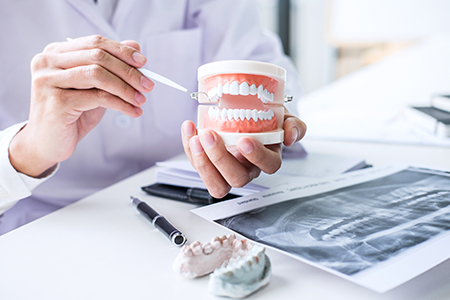
Crafting a comfortable, long-lasting denture requires attention to function, aesthetics, and the biology of the mouth. The process begins with a comprehensive exam and diagnostic records so we fully understand your oral health and the anatomy of your jaws. Digital imaging and precise impressions help ensure the prosthesis fits the unique shape of your mouth.
Tooth selection — including size, shape, and color — is an important step. We match these choices to your facial features and expectations so the final result appears natural for you. Multiple try-ins and adjustments during fabrication let us fine-tune the fit, bite, and tooth position before the final delivery.
Occasionally, preparatory treatments are needed before a denture can be placed. This may include extractions, minor soft tissue reshaping, or treating remaining teeth to ensure they are stable. When implants are part of the plan, coordinated care schedules implant placement and prosthetic stages to provide secure long-term support.
Whether fabrication takes a few appointments or several staged visits, every step is focused on producing a prosthesis that is comfortable, functional, and consistent with your appearance goals.

Adapting to a new denture is a process that typically takes a few days to a few weeks. Initial soreness or minor pressure points are common; these are corrected with targeted adjustments. Wearing the denture as directed between adjustment visits helps us see where refinements are needed so the appliance becomes progressively more comfortable.
Get used to speaking and eating
Speaking clearly may feel different at first, but regular conversation and reading aloud accelerate adaptation. Start with soft foods cut into small pieces and chew on both sides of the mouth to distribute pressure. Over time your tongue and muscles will learn the new dynamics and chewing will feel natural again.
Temporary changes in saliva
A new appliance can stimulate increased saliva flow initially. This effect is temporary and typically settles as you grow accustomed to the denture. Staying hydrated and practicing speaking and swallowing can help the mouth return to normal function.
Cleaning and nightly care
Rinse dentures after meals and brush them daily with a brush designed for prostheses to remove food and plaque. Soaking in water overnight keeps the base from drying and warping; use a recommended cleaner as instructed to remove deposits and stains.
Continue to clean any remaining natural teeth and the gums to maintain tissue health. A clean mouth supports a better fit and reduces the risk of irritation or infection.
Remove dentures at bedtime to allow the tissues to rest. This simple habit supports long-term tissue health and comfort.
Stability options
When retention is a concern, denture adhesives, attachments to remaining roots, or implant-retained solutions can provide added security. We review these alternatives with patients so they can choose the degree of stability that fits their lifestyle goals.
Follow-up and maintenance
Regular checkups allow us to monitor fit and function, examine the health of oral tissues, and recommend relines or repairs as needed. Over time the shape of the jaw can change; timely relines or adjustments preserve comfort and performance.
We are committed to helping patients feel informed and supported throughout the denture process. If you have questions about whether a denture or a different restorative approach is right for you, our team in Las Vegas can provide a careful evaluation and clear guidance.
In summary, modern dentures remain a versatile, effective option for restoring lost teeth and rebuilding daily function. Thoughtful design, precise fabrication, and ongoing care make a significant difference in comfort and longevity. Contact us to learn more about denture options and to arrange a consultation.
Dentures are removable prosthetic devices designed to replace missing teeth and the supporting tissues of the mouth. They consist of artificial teeth set into a contoured base that rests on the gums and distributes bite forces across the mouth. Properly designed dentures restore chewing function, support facial contours, and help patients speak more clearly.
Modern denture materials and fabrication techniques aim to mimic the color, translucency, and shape of natural teeth while providing a comfortable fit. Because they are removable, dentures allow for thorough cleaning of both the appliance and the mouth. With appropriate planning and follow-up, dentures can be an effective long-term solution for many patients seeking to rebuild daily function and appearance.
There are several denture types, including complete (full) dentures that replace all teeth in an arch and partial dentures that fill spaces when some natural teeth remain. Additional options include immediate dentures placed at the time of extractions, overdentures that use remaining roots for support, and implant-supported dentures that attach to dental implants for added retention. Frameworks can be made from flexible resins, metal-based materials, or hybrid designs chosen for strength, comfort, and esthetics.
Choosing the right denture depends on how many teeth are missing, the health and position of remaining teeth, and the structure of the jawbone. Patient goals for stability, appearance, and daily function also guide selection. Your dentist will evaluate your mouth and recommend the approach that best balances comfort, longevity, and oral health.
An immediate denture is placed at the time teeth are removed so the patient does not go without teeth during healing, but it usually requires adjustments or relining as tissues remodel. A conventional denture is fabricated after extraction sites have healed and the gums have settled, often providing a more predictable long-term fit. Immediate appliances offer convenience and appearance during healing, while conventional dentures prioritize a stable fit based on healed tissues.
Implant-supported dentures attach to dental implants placed in the jaw and provide increased retention and reduced movement compared with tissue-supported prostheses. These designs are especially helpful for patients who experience looseness with traditional lower dentures or who want greater chewing efficiency. Implant-retained options require coordinated surgical and prosthetic care and are selected based on bone availability and overall health.
The denture process begins with a comprehensive exam and diagnostic records to evaluate oral health, jaw relationships, and tissue anatomy. Precise impressions and digital imaging capture the contours of the mouth, and tooth selection addresses size, shape, and color to achieve a natural appearance. Multiple try-ins and adjustments let the clinician fine-tune the bite, fit, and esthetic details before final fabrication.
At A-List Dental, clinicians emphasize careful measurement and communication throughout the fabrication process to produce a comfortable, functional prosthesis. Preparatory treatments such as extractions, soft tissue reshaping, or implant placement are scheduled as needed to support the final result. After delivery, targeted adjustments ensure the denture fits well and performs reliably for daily tasks like speaking and eating.
Adapting to new dentures typically takes a few days to several weeks depending on individual factors such as previous denture experience and oral anatomy. Initial soreness, minor pressure points, and increased saliva production are common and usually resolve as the mouth adjusts. Speech may feel different at first, but practicing reading aloud and engaging in conversation helps the tongue and muscles learn the new dynamics.
Eating should begin with soft foods cut into small pieces while you chew on both sides to evenly distribute pressure, and gradually progress to a wider variety of foods. Follow-up visits allow the clinician to identify and correct pressure areas through adjustments or relines. With patience and proper care, most patients find that chewing and speaking return to comfortable, functional levels.
Daily care includes rinsing dentures after meals to remove loose food particles and brushing them with a brush designed for prostheses to remove plaque and deposits. Soaking the appliance overnight in water or a recommended denture cleaner prevents the base from drying and warping while helping control stains and buildup. Avoid hot water, which can deform denture materials, and handle the prosthesis over a soft surface or sink filled with water to reduce the risk of damage if dropped.
It is also important to clean any remaining natural teeth, gums, and tongue to maintain oral tissue health and reduce irritation beneath the denture. Regular oral exams let your dentist monitor tissue condition and recommend timely relines, repairs, or other care. Proper hygiene and routine maintenance help extend the life and comfort of the prosthesis.
Yes, dentures can be designed to attach to dental implants using specialized connectors to provide superior retention and stability. Implant-retained dentures reduce movement, improve chewing efficiency, and often increase patient confidence during speaking and social activities. By transferring biting forces to the implants and bone, these designs can also limit some of the bone loss that occurs when teeth are missing.
Not every patient is a candidate for implant-retained dentures; suitability depends on overall health, bone volume, and the ability to undergo a surgical procedure. The treatment plan is developed in stages so that implant placement and prosthetic fabrication are coordinated for long-term support. Your dentist will review the benefits and clinical requirements to determine whether implants are an appropriate option.
Partial dentures are appropriate for patients who still have healthy natural teeth and need to replace one or several missing teeth within an arch. Partials help maintain proper spacing, prevent adjacent teeth from drifting, and restore more even chewing while preserving remaining natural teeth. Full or complete dentures are indicated when an entire upper or lower arch is missing or when remaining teeth are not salvageable for long-term function.
The choice between partial and full dentures depends on factors such as the condition and prognosis of existing teeth, gum health, jawbone structure, and the patient’s functional and esthetic goals. A careful clinical evaluation determines whether teeth can be retained and used for support or whether a full-arch solution is more appropriate. Collaborative planning ensures the selected option supports oral health and daily life.
Dentures and the tissues that support them should be evaluated at regular dental checkups so the dentist can assess fit, function, and oral tissue health. Many patients benefit from at least annual visits, with more frequent appointments if adjustments, relines, or repairs are needed. Over time the shape of the jaw can change, and relining or rebasing the denture preserves comfort and proper bite relationships.
If attachments, clasps, or implant connections are part of the design, routine maintenance helps ensure continued retention and performance. Prompt attention to looseness, sore spots, or changes in chewing prevents further problems and preserves tissue health. Our Las Vegas team can provide scheduled follow-up care and address maintenance needs as they arise.
If your dentures feel loose or create sore spots, avoid self-adjusting or attempting repairs at home and contact your dentist for an evaluation. Temporary measures such as short-term denture adhesive can improve retention briefly, but adhesives are not a substitute for professional adjustments or relines. Continued movement or discomfort can lead to tissue irritation, so timely clinical review is important to identify the underlying cause.
The dentist will check fit, bite relationships, and tissue health to determine whether an adjustment, reline, or repair is needed, or whether a different retention option such as attachments or implants should be considered. Keeping follow-up appointments and reporting issues early helps maintain comfort and function. With prompt professional care, most fit and comfort problems can be resolved efficiently.
Schedule your visit today and discover how easy, comfortable, and rewarding top-tier dental care can be.
