Extractions


Deciding to remove a tooth is never taken lightly. Our focus is always on preserving natural teeth when possible, but there are times when extraction is the healthiest, most predictable option. In those situations, removing the tooth can prevent ongoing infection, protect adjacent teeth, and restore balance to the bite so more extensive problems don’t develop later.
We begin every case by reviewing your medical and dental history, conducting a careful exam, and using imaging as needed—such as digital radiographs—to understand the tooth’s position and the condition of the surrounding bone and tissues. That assessment helps us recommend the most appropriate course of care and explain how extraction fits into your overall treatment plan.
The most common reasons a tooth may need removal include developmental issues, trauma, infection, advanced decay, and crowding that interferes with long-term alignment. Below are specific situations we often encounter and how extraction can help protect future oral health.
Persistent baby teeth that won’t fall out
Sometimes a primary tooth remains in place after its permanent successor is ready to erupt. This can block normal development and lead to alignment problems. Removing an over-retained baby tooth at the right time allows the permanent tooth to come in properly and reduces the need for later orthodontic work.
Severe or unrepairable decay
When decay has destroyed most of the tooth structure or reached the nerve and the tooth cannot be predictably rebuilt, extraction becomes the safer alternative. Removing a non-restorable tooth stops the spread of infection and prevents further damage to neighboring teeth and bone.
Fractures that compromise the tooth
A deep crack or fracture that extends below the gum line or into the root can make a tooth unsalvageable. In those cases, extraction is recommended to remove the source of discomfort and to prepare the area for proper restoration or replacement if needed.
Advanced periodontal disease
When gum disease has caused significant bone loss, teeth can become loose and painful. Extracting teeth that no longer have adequate support can help control infection and allow the gums and bone to heal more predictably.
Problematic wisdom teeth
Third molars often erupt without enough room, become impacted, or pose a risk to adjacent teeth. Removing troublesome wisdom teeth at the right stage can prevent pain, infection, and damage to nearby teeth.
Extractions to make room for orthodontics
When the jaw lacks sufficient space to accommodate all permanent teeth, selective extractions are sometimes part of an orthodontic plan to create a stable, healthy bite and a more balanced smile.

Before any extraction, we take the time to fully evaluate the tooth and the surrounding structures. That includes reviewing your overall health, any medications you take, and any history of medical conditions that could affect healing. Good communication up front lets us tailor the procedure to your needs and recommend any necessary precautions.
Imaging—typically digital radiographs—is used to visualize root form, the position of nearby teeth, and the amount of supporting bone. With that information, we determine whether a tooth can be removed using a straightforward approach or whether a surgical technique will be required.
On the day of the procedure, we prioritize comfort and safety. Local anesthesia is provided to numb the area so you feel little to no sensation during the extraction. If you experience anxiety or require additional comfort, we can discuss sedation options to help you remain relaxed throughout the appointment.
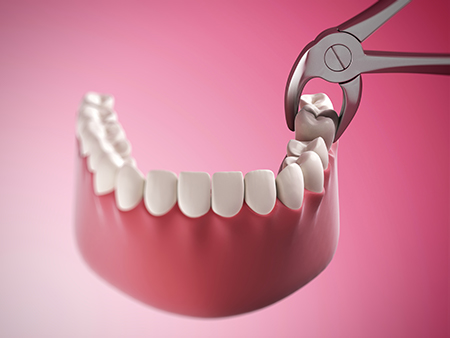
A simple extraction is appropriate for teeth that are fully visible in the mouth and have an uncomplicated root shape. After numbing the area thoroughly, the dentist gently loosens the tooth using specialized instruments and removes it with forceps. This approach is efficient and minimizes trauma to the surrounding tissues, and most patients recover quickly from this type of procedure.
Teeth that are broken below the gumline, impacted, or fused to bone typically require a surgical extraction. In these cases, a small incision may be made in the gum and a tiny amount of bone removed to access the tooth. Some patients are referred to an oral surgeon for very complex cases, while many surgical extractions can be handled comfortably in the office under appropriate anesthesia and sedation.
How you care for the extraction site in the first days after the procedure has a big effect on comfort and recovery. We provide clear post-operative instructions tailored to the type of extraction performed. Following these guidelines helps control bleeding, reduces swelling, and lowers the risk of complications such as dry socket.
Expect some degree of soreness and swelling for a few days; these symptoms gradually improve with the right care. We recommend rest and limited physical exertion for the first 24–48 hours, along with attention to oral hygiene to keep the area clean without disturbing the clot that forms at the site.
If medications are prescribed—antibiotics to manage infection risk or an analgesic to control pain—take them exactly as directed. If over‑the‑counter pain relievers are recommended, scheduling a dose before the anesthetic wears off can make the first hours after treatment more comfortable.
Manage bleeding with gauze pressure
Bite gently on the provided gauze to help the socket form a stable clot. Change the gauze as instructed, and if heavy bleeding continues beyond a few hours, contact the office for guidance.
Protect numb tissues
Avoid chewing, touching, or otherwise manipulating the area until normal sensation returns to prevent accidental bites to the lip, cheek, or tongue.
Take medications as directed
Antibiotics:
If prescribed, complete the full course to reduce the risk of infection.
Pain control:
Use recommended pain relief on the schedule suggested by your provider. Take prescription medications only as instructed and follow any safety guidance regarding driving or operating machinery.
Protect the clot
Avoid rinsing vigorously, spitting forcefully, or using straws for the first 24–48 hours. These actions can dislodge the clot and delay healing.
Reduce swelling with cold
Apply an ice pack to the outside of the face in short intervals during the first day to minimize swelling and discomfort.
Avoid tobacco products
Smoking or vaping interferes with healing and increases the chance of complications. Refrain from tobacco use during the critical healing period.
Choose soft foods
Stick to cool or lukewarm soft foods for several days, and stay well hydrated. Avoid hot, spicy, or crunchy foods that could irritate the surgical site.
Practice gentle hygiene
Brush carefully around the area and, when appropriate, rinse gently with a mild saltwater solution to keep the mouth fresh without disturbing the healing tissues.
Attend follow-up appointments
If sutures are placed or a complex extraction was performed, a follow-up visit may be scheduled to check healing and remove stitches if necessary.
If you notice excessive bleeding, worsening pain, fever, or any other unexpected symptoms, reach out to the practice so we can assess your recovery and advise next steps.

Once the extraction site has healed, many patients want to consider replacement options to restore chewing function and maintain the alignment of adjacent teeth. Common restorative pathways include removable dentures, fixed dental bridges, and dental implants, each with different benefits depending on your oral health and long-term goals.
Dental implants are widely recognized for their ability to replace a tooth root and support a restoration that looks and functions much like a natural tooth. Bridges and dentures remain excellent solutions in many situations, and we’ll walk through the advantages and suitability of each option so you can choose the path that best aligns with your needs.
Timing and planning are important when moving from extraction to replacement. In some cases, an implant can be planned at the time of extraction; in others, a period of healing is required before restorative work begins. We factor bone quality, gum health, and your overall treatment plan into these decisions to help ensure predictable, long-lasting results.
We take a careful, patient-centered approach to every extraction. That means thorough evaluations, clear explanations of the recommended procedure, and attention to comfort throughout the visit. Modern diagnostic tools and gentle technique help us minimize risk and support smooth recoveries.
At A-List Dental, our goal is to combine clinical expertise with compassionate care so patients understand their options and feel confident throughout treatment. Whether you need a simple removal or a more complex surgical approach, we prioritize safety, predictable healing, and thoughtful planning for any necessary tooth replacement.
If you have concerns about a tooth that may need to be removed, or if you're planning how best to replace a missing tooth, please contact us to learn more. We're happy to explain your options and arrange an evaluation to determine the best, most comfortable path forward for your smile.
Tooth extraction is recommended when a tooth cannot be preserved with conservative treatment or when it threatens overall oral health. Typical reasons include severe decay that compromises most of the tooth structure, advanced periodontal disease with significant bone loss, fractures that extend below the gum line, or persistent infection that does not respond to other therapies. Your dentist evaluates the tooth with a clinical exam and imaging to determine whether extraction is the safest, most predictable option.
In some cases extraction is part of a larger plan to protect adjacent teeth and restore normal bite function, such as when an over-retained primary tooth blocks eruption or crowded teeth compromise alignment. Impacted or problematic wisdom teeth are another common reason for removal when they pose a risk of infection, damage, or recurring pain. The decision to extract balances tooth preservation with long-term oral health and function.
Preparing for an extraction begins with a thorough review of your medical history, medications, and any conditions that could affect bleeding or healing. Follow any preoperative instructions from the dental team, such as fasting only if sedation is planned, adjusting certain medications in consultation with your physician, and arranging a ride home if sedation will be used. Clear communication about allergies, past anesthetic reactions, and chronic health issues helps the team tailor the procedure safely to your needs.
Practical preparations include eating a light meal unless instructed otherwise, wearing comfortable clothing, and planning to rest for the remainder of the day after the procedure. If you have anxiety about the appointment, discuss sedation options with your dentist ahead of time so appropriate measures can be arranged. Bringing a list of current medications and any recent medical records or X-rays can also streamline the visit.
Extractions are generally categorized as simple or surgical based on how the tooth presents in the mouth and the complexity of removal. A simple extraction is used when a tooth is fully erupted and has a straightforward root shape; the dentist numbs the area and removes the tooth with instruments designed to minimize trauma to surrounding tissues. Surgical extraction is required when a tooth is impacted, broken below the gum line, or fused to bone, and it often involves a small incision and limited bone removal to access the tooth.
Surgical cases may be handled in the dental office under local anesthesia with or without sedation, or they may be referred to an oral surgeon for advanced procedures or medically complex patients. The choice of approach depends on imaging, root anatomy, and overall patient health, and the team will explain why a particular method is recommended. Regardless of the technique, the goal is safe removal with careful attention to postoperative healing and future restoration planning.
On the day of the procedure your provider will confirm your medical history, review the planned steps, and answer any remaining questions before proceeding. Local anesthesia is administered to numb the area so you should feel little to no pain during the extraction; if needed, sedation options can be provided to help you stay comfortable and relaxed throughout the appointment. Imaging may be reviewed once more to guide the technique and ensure safe access to the tooth.
The extraction itself is performed using gentle, controlled movements to minimize trauma to bone and soft tissues; simple cases are typically brief while surgical removals may take longer depending on complexity. After the tooth is removed the socket is inspected and, if necessary, sutures are placed to support healing and protect the site. The team will review specific aftercare steps and schedule any recommended follow-up visits before you leave the office.
Care in the first 24 to 48 hours focuses on protecting the blood clot, limiting activity, and managing discomfort to support uncomplicated healing. Bite gently on gauze as directed to control bleeding, avoid rinsing vigorously or using straws, and apply ice to the outside of the cheek in short intervals to minimize swelling. Rest and limit strenuous activity during the initial recovery period to reduce the risk of increased bleeding or delayed healing.
Maintain gentle oral hygiene by brushing other teeth carefully and, when appropriate, rinsing with a mild saltwater solution after the first 24 hours to keep the area clean without disturbing the clot. Follow medication guidance closely if antibiotics or analgesics are prescribed, and avoid smoking or vaping because these activities can interfere with healing. Attend any scheduled follow-up so the dentist can monitor recovery and remove sutures if necessary.
Most extractions heal without issue, but patients should be aware of possible complications such as prolonged bleeding, increasing pain, swelling that worsens after 48–72 hours, or signs of infection like fever and persistent drainage. Another concern is dry socket, which can occur when the protective clot dislodges prematurely and exposes bone, causing significant discomfort that typically requires professional management. If you experience any of these symptoms or sudden changes in healing, contact the dental office promptly for guidance and possible treatment.
Emergency contact is appropriate for heavy bleeding that does not subside with gentle pressure, difficulty breathing or swallowing, or an allergic reaction to medications. The dental team can advise whether an in‑office assessment is needed or whether interim measures should be taken at home until you can be evaluated. Timely communication helps prevent minor issues from becoming more serious and supports a smoother recovery.
Wisdom teeth, or third molars, can create problems when there is insufficient space for proper eruption, leading to impaction, infection, crowding, or damage to adjacent teeth. If a wisdom tooth is partially erupted it can trap bacteria and food, increasing the risk of decay and gum inflammation around the area. The need for removal is determined by a clinical exam and imaging, which show the tooth’s position, proximity to nerves, and potential impact on surrounding structures.
Removal is often recommended when a wisdom tooth causes pain, recurrent infection, cyst formation, or threatens the health of neighboring teeth and bone. In some cases a watchful approach is appropriate if the tooth is fully erupted, functional, and asymptomatic, but regular monitoring is important. Your dentist will explain the risks and benefits of extraction and help plan the timing to minimize complications.
Whether antibiotics are prescribed depends on the presence of active infection, your medical history, and specific risk factors; not every extraction requires antibiotics. If an infection is evident or if you have medical conditions that increase infection risk, your dentist may prescribe a course of antibiotics and will provide instructions for proper use. Pain control is commonly managed with over‑the‑counter analgesics for simple cases, while prescription pain medication may be provided for more complex surgical extractions or when significant discomfort is anticipated.
Take all medications exactly as directed and follow safety guidance about operating machinery or driving if you receive sedatives or certain pain medications. Use nonprescription pain relievers on the schedule recommended to keep discomfort manageable, and reach out to the office if pain increases or does not respond to treatment as expected. Medication decisions are individualized to balance effective symptom control with patient safety.
The timing for replacing a missing tooth depends on the chosen restorative option and the condition of the extraction site, including bone quality and gum health. For dental implants, a period of healing is often recommended to allow bone and soft tissues to recover, though immediate implant placement is possible in select cases when conditions permit. Bridges or removable dentures can sometimes be placed sooner or used as interim solutions while the site heals and restoration planning is completed.
Decisions about timing should consider long‑term function, esthetics, and the need to preserve surrounding bone and periodontal support. Your dentist will discuss the pros and cons of immediate versus delayed replacement and outline a treatment sequence that aligns with your oral health goals. Planning often includes imaging and, when appropriate, bone grafting or tissue management to support optimal restorative outcomes.
Referrals to an oral surgeon are appropriate when extractions are unusually complex, when teeth are deeply impacted or close to critical anatomical structures, or when a patient has medical conditions that require hospital‑level care. Cases involving complicated root anatomy, extensive bone removal, or the need for general anesthesia are commonly managed by specialists who have additional training and surgical resources. Your general dentist will evaluate the case and recommend a referral when it will improve safety and predictability.
At the practice level, the team coordinates care and communicates findings so patients understand the reasons for referral and what to expect from the specialist. A-List Dental and Dr. Mohammad Abdelhady work with trusted oral surgeons when necessary to ensure seamless transitions and comprehensive planning for complex procedures. This collaborative approach helps patients receive the appropriate level of care for the safest possible outcome.
Schedule your visit today and discover how easy, comfortable, and rewarding top-tier dental care can be.
